ISO Consultant • ISO Trainer • Madagascar
ISO Consultant and Trainer in Madagascar
Practical management-system support for organizations that want to improve, comply and perform.
Dr RAMAROLAHY Safidy supports organizations in Madagascar and the Indian Ocean region through ISO consulting, ISO training, QHSE guidance, internal audit preparation and professional skills development.
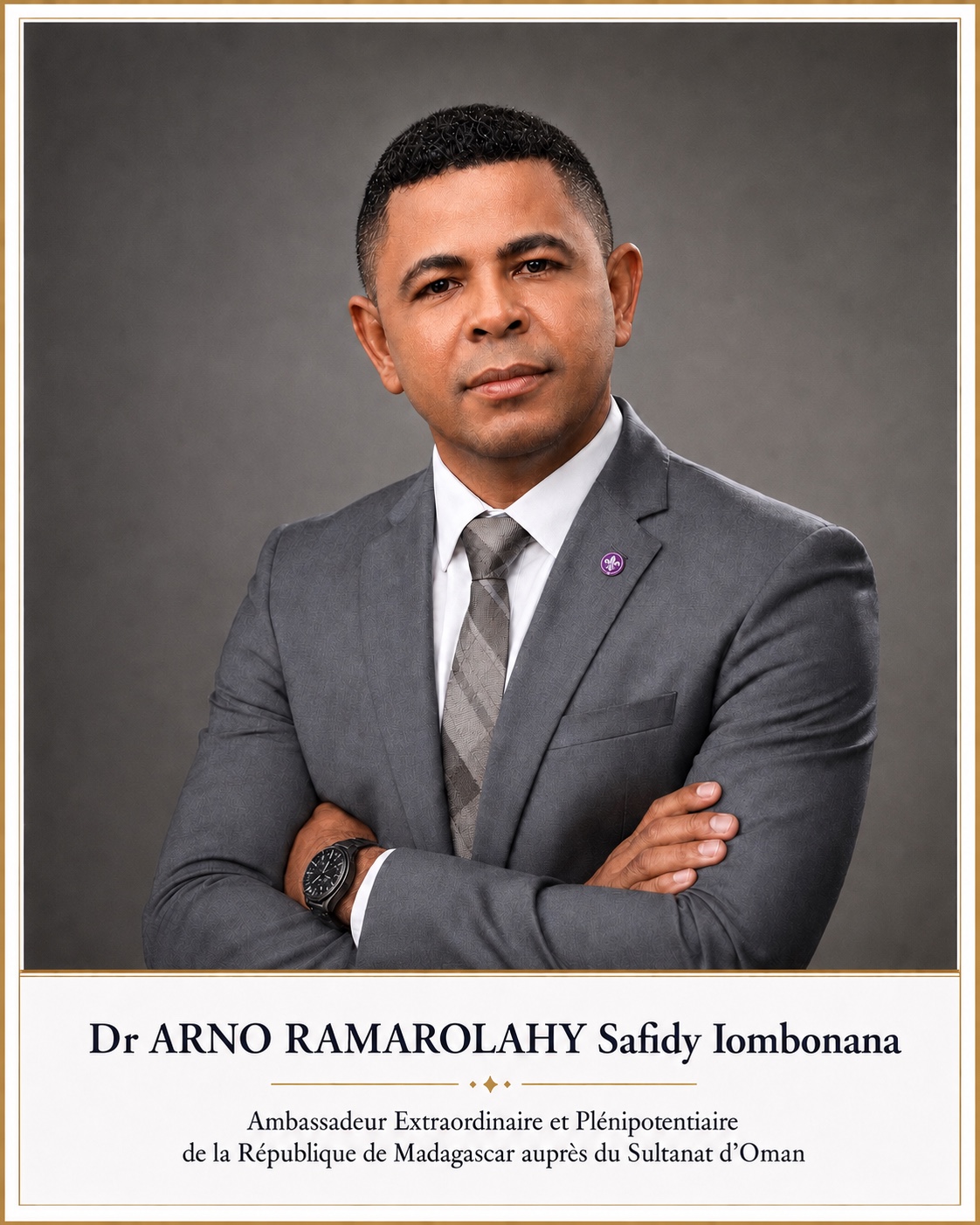
Organizations do not improve by collecting standards alone. They improve when requirements are understood by their teams, translated into processes and tested through daily work. This is the purpose of a practical ISO approach: connect management-system requirements with the decisions, risks, skills and evidence that already exist inside the organization.
Based in Madagascar, Dr RAMAROLAHY Safidy combines professional training, management-system consulting, internal audit practice and interdisciplinary research. His work is designed for organizations that need a clear method, useful tools and a learning process adapted to their operational reality.
ISO consulting in Madagascar
Turning standards into a system that people can use
ISO consulting begins with understanding the organization: its activities, interested parties, legal and operational context, risks, resources and strategic priorities. From this diagnosis, the management system can be structured around processes that are meaningful to the people who operate them.
The support may include process mapping, context analysis, risk-based thinking, documented information, objectives, performance indicators, operational controls and management review. The aim is not to create unnecessary paperwork. The aim is to make responsibilities clearer, decisions more reliable and improvement easier to demonstrate.
This approach can support ISO 9001 quality management, ISO 14001 environmental management, ISO 45001 occupational health and safety, ISO 21001 educational organizations and integrated management systems. The selected framework depends on the organization's needs and maturity.
ISO training in Madagascar
Training that connects requirements with real work
An effective ISO trainer must do more than explain clauses. Participants need to understand why a requirement matters, how it applies to their activity and what evidence can demonstrate that it is controlled. Training therefore combines explanations, examples, exercises, group discussion, case analysis and practical application.
Courses can be designed for managers, process owners, quality and HSE officers, internal auditors, supervisors, trainers and operational teams. The content can be delivered as an awareness session, a structured professional course, an internal-auditor programme or a train-the-trainer pathway.
The same principle applies to QHSE subjects that support management systems: risk assessment, ergonomics, work at height, hazardous areas, chemical products, HACCP, emergency preparedness and safe operating practices. Each subject is connected to the organization's processes and to the competence expected from its teams.
Internal audit and continuous improvement
Building the organization’s ability to learn
Internal auditing is not only a preparation exercise before certification. It is a method for learning from evidence. A well-designed audit programme clarifies the scope, criteria, responsibilities and timing of audits. A well-conducted audit distinguishes objective evidence from opinion and turns findings into useful corrective action.
Support can cover the audit cycle from planning and interviews to reporting, root-cause analysis and follow-up. This is particularly important in complex environments where quality, safety, environment, logistics and operational continuity interact.
Continuous improvement becomes credible when it is visible in the way an organization identifies problems, decides priorities, measures results and shares lessons. The objective is to develop a capability that remains after the consultant or trainer has completed the assignment.
A field-based approach
One method, adapted to each organization
The method is adapted to the sector, size, resources and culture of the organization. Examples may come from industry, port operations, mining, textile production, food services, education, logistics or professional training. This contextual approach helps participants recognize that ISO is not an external language imposed on their work; it is a way to make their work more controlled, more understandable and more sustainable.
Selected experience
From industrial case studies to professional development
The professional portfolio documents interventions and training activities with organizations in Madagascar. The case studies address integrated management systems, internal audit, ergonomics, logistics, professional certification, work at height and operational safety.
The ARBIOCHEM case connects management-system training with ergonomics, manual handling and logistics procedures. The MICTSL case focuses on internal audit and the integration of ISO 9001, ISO 14001 and ISO 28000 in a port environment. The CIMELTA case concerns scaffolding assembly and work at height, with attention to inspection, personal protective equipment, the SG4 system and the mobile jack.
International cooperation
ISO expertise rooted in Madagascar, open to the Indian Ocean
Organizations looking for an ISO consultant in Madagascar often need more than a generic presentation. They need a partner who can understand their context, work with their teams and translate requirements into actions that can be maintained.
Through consulting, training and research, Dr RAMAROLAHY Safidy works to make management systems practical, measurable and connected to human development. The ambition is to support organizations in Madagascar while creating bridges with international partners, professional networks and institutions across the Indian Ocean.
Discuss an ISO or QHSE projectKeywords: ISO Consultant in Madagascar — ISO Trainer in Madagascar — ISO Training Madagascar — QHSE Consultant Madagascar — ISO 9001 — ISO 14001 — ISO 45001 — ISO 21001 — Internal Audit